

OPTIMIZATION ENGINE
This came from obsession.
A decade reading the science and studying the field's best protocols.
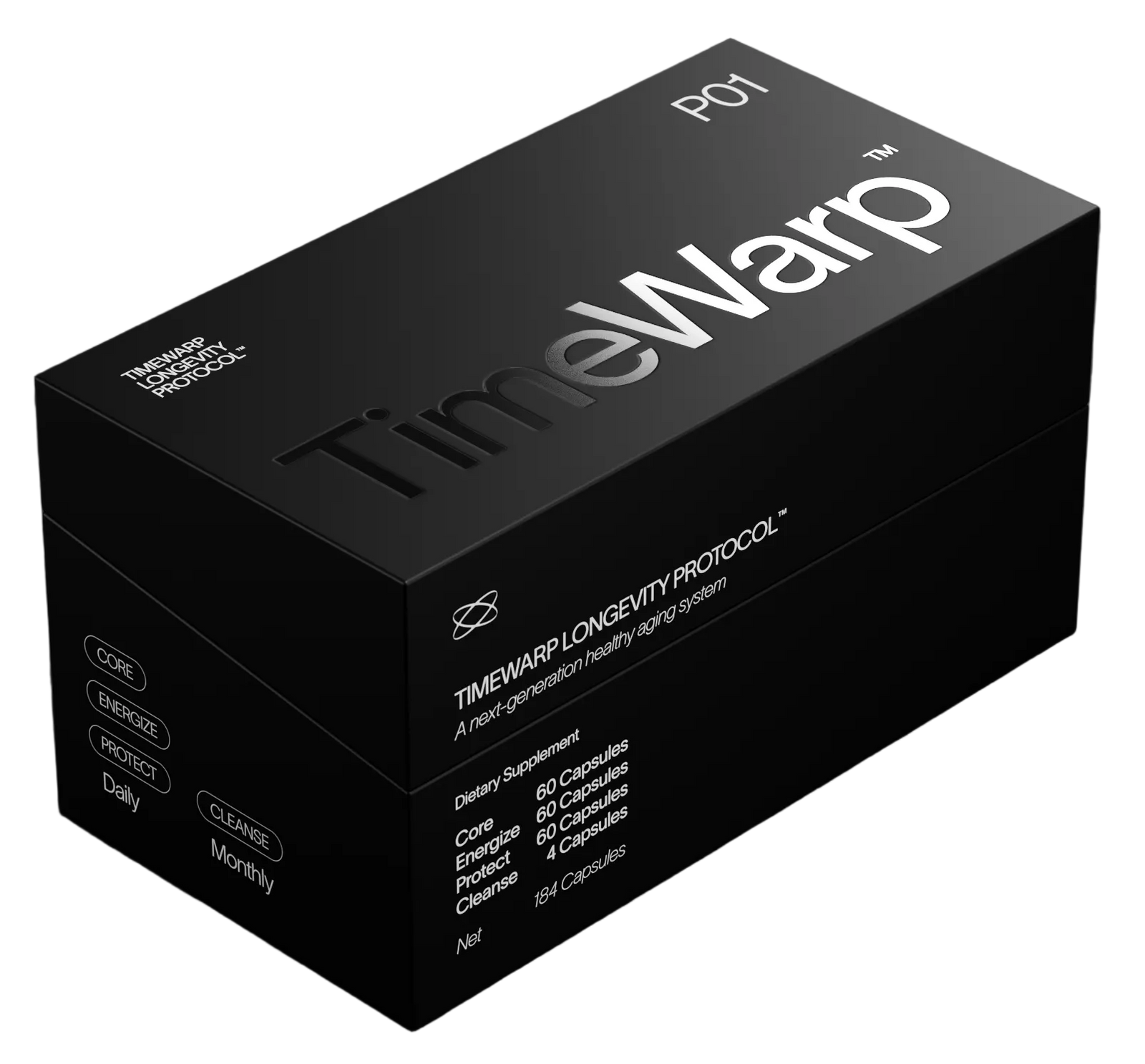
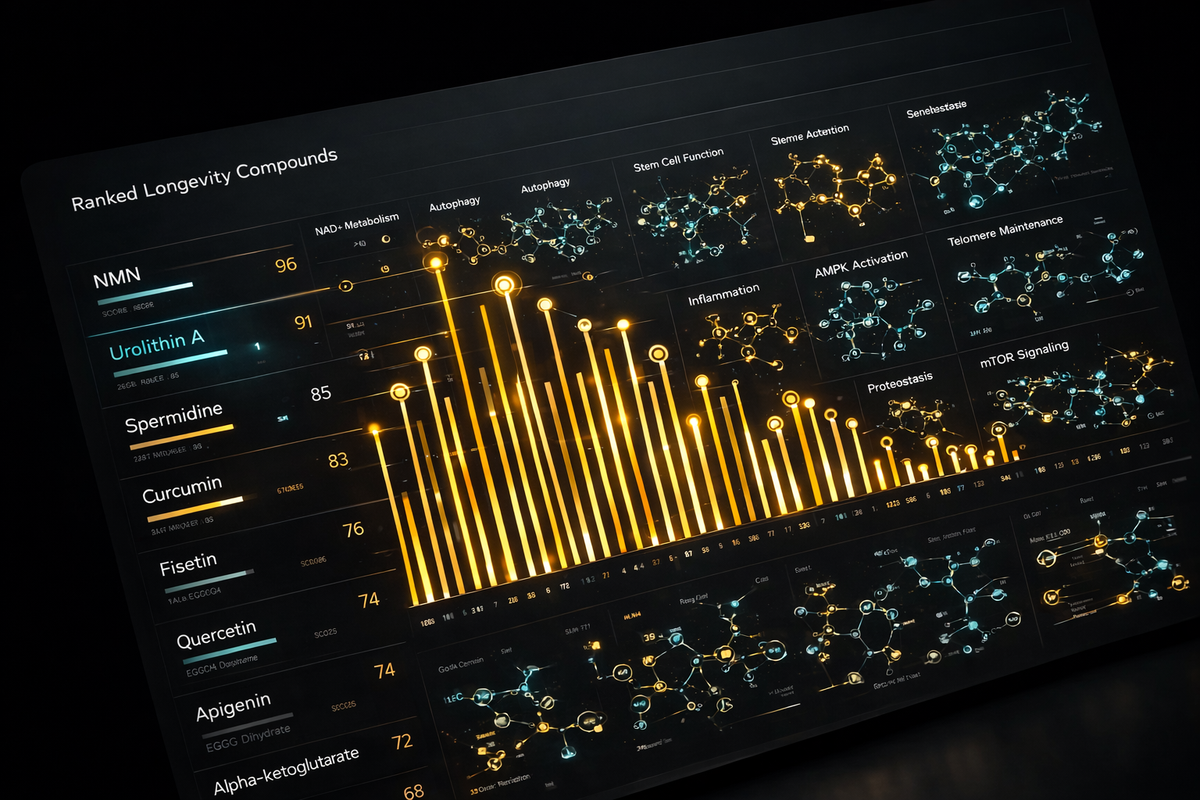
We built a system to score every compound against the biology of aging. 240 entered. 25 survived.
Protocol 01 was not formulated by trend. It was built by founders with a decade in longevity science, current on the research, and shaped by a Science Advisory Board with backgrounds across Stanford, Harvard, and MIT.

We cut the hype. We kept what the evidence backs.
Compound for compound, the most evidence-backed longevity formula you can buy.
Every compound was ranked on the research behind it: the strength of the studies, how consistent the results were, and how directly it acts on the twelve drivers of aging. Only the top compounds made the formula.
MIT founder. A Science Advisory Board with backgrounds across Harvard, Stanford, and MIT.
One protocol.15
Star Compounds
Direct aging pathway support
10
Synergistic Amplifiers
Bioavailability, activation, cofactors


The TimeWarp Protocol was developed using mechanistic systems modeling and network-level analysis of the aging system.
Our research team built a multi-layer optimization engine that maps how molecular interventions influence the core mechanisms of aging.
The model evaluates longevity molecules across cellular pathways and the hallmarks of aging using evidence-weighted scoring.
Explore Each Optimization Layer
Select any layer below to see the full methodology, data, and decision framework behind it.
Optimization Layer 1
AgingPATHWAYS
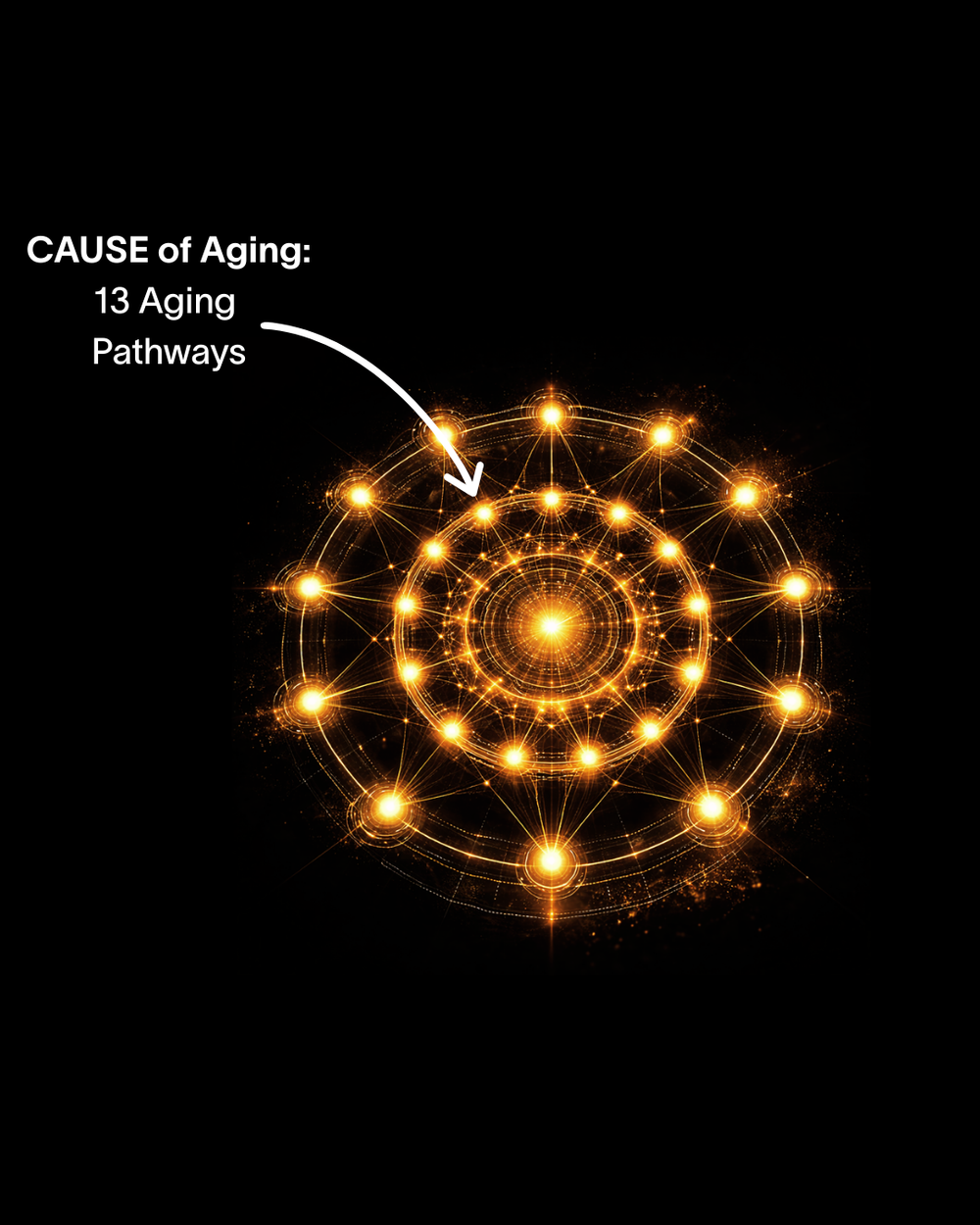
We began by identifying the core biological pathways that regulate cellular aging, including metabolism, inflammation, repair, and mitochondrial function.
These upstream signaling networks served as the primary biological targets for candidate interventions. These 13 pathway modules are upstream control networks that map into, but are distinct from, the 12 established Hallmarks of Aging.


Pathway Modules and Precision Scoring
Pathway Modules (P1-P13) represent upstream cellular control networks through which interventions act.
We selected these modules because they:
- Sit upstream of major aging phenotypes and influence downstream cascades
- Can be modulated by evidence-backed, non-prescription interventions
- Provide a structured bridge between compound mechanisms and system-level biology
Each pathway is further divided into specific regulatory submodules within that network. Compounds are scored only when they engage defined submodules with supporting evidence.
This prevents vague pathway claims and enforces mechanistic precision.
13 Pathways
Explore Each Pathway
Click any pathway to see its submodules and scoring architecture
The central metabolic sensing network coordinates cellular energy balance, growth signaling, and stress adaptation. AMPK, mTORC1/2, insulin/IGF-1, and the sirtuin network collectively regulate the cell's investment in growth vs. maintenance, making P1 the highest-weight pathway in this model.
Core Submodules
Important Submodules
Peripheral Submodules
The cellular redox system functions as a master sensor of molecular damage and energetic stress. NRF2-mediated antioxidant transcription, glutathione and thioredoxin systems, and NADPH-regenerating pathways collectively maintain the reductive capacity that protects DNA, proteins, and lipids from oxidative damage.
Core Submodules
Important Submodules
Peripheral Submodules
Proteostasis is maintained by three interlocking systems: the ubiquitin-proteasome system for short-lived and misfolded proteins, macroautophagy for bulk cytoplasmic content, and lysosomal pathways for selective cargo.
Core Submodules
Important Submodules
Peripheral Submodules
Mitochondrial integrity is central to cellular energetics, apoptotic priming, and ROS management. Age-associated mitochondrial dysfunction encompasses biogenesis decline, impaired quality control, and mtDNA mutation accumulation.
Core Submodules
Important Submodules
Peripheral Submodules
Genomic stability is maintained through an array of repair systems each specialized for distinct lesion types. Aging is accompanied by declining repair fidelity, accumulation of unresolved lesions, and a progressive shift toward error-prone repair pathways.
Core Submodules
Important Submodules
Peripheral Submodules
Telomere attrition represents one of the most cell-autonomous and quantifiable aging clocks in somatic tissues. Telomere maintenance involves the telomerase complex, shelterin architecture, and heterochromatin maintenance.
Core Submodules
Important Submodules
Peripheral Submodules
Epigenetic alterations constitute one of the strongest predictors of biological age. Age-associated epigenetic drift spans methylation patterns, histone marks, chromatin accessibility, and 3D nuclear architecture.
Core Submodules
Important Submodules
Peripheral Submodules
Cellular senescence represents an antagonistic hallmark: initially tumor-suppressive, chronic senescent cell accumulation drives tissue dysfunction through SASP-mediated paracrine damage. This pathway is the direct target of the TimeWarp monthly senolytic protocol.
Core Submodules
Important Submodules
Peripheral Submodules
Stem cell exhaustion represents the integrative consequence of upstream damage accumulating in long-lived progenitor pools. Signaling pathways governing self-renewal, quiescence, and niche communication are progressively corrupted.
Core Submodules
Important Submodules
Peripheral Submodules
The extracellular matrix serves as both a structural scaffold and a signaling environment. Age-associated matrix stiffening, collagen crosslinking, and disrupted MMP/TIMP balance progressively alter mechanosensing and create a pro-fibrotic tissue milieu.
Core Submodules
Important Submodules
Peripheral Submodules
Beyond cell-autonomous mechanisms, aging is shaped by circulating factors, extracellular vesicles, and neuroendocrine signals that coordinate tissue states across the organism.
Core Submodules
Important Submodules
Peripheral Submodules
The circadian clock is a master upstream regulator of metabolic, immune, and repair processes. Age-associated circadian dampening, reduced BMAL1 amplitude, and desynchrony between central and peripheral oscillators accelerates epigenetic aging.
Core Submodules
Important Submodules
Peripheral Submodules
The intestinal microbiome constitutes a dynamic signaling interface with host immunity, metabolism, and epigenetics. Age-associated dysbiosis contributes to systemic inflammation, metabolic dysfunction, and accelerated biological aging.
Core Submodules
Important Submodules
Peripheral Submodules
Optimization Layer 2
Hallmarks ofAGING
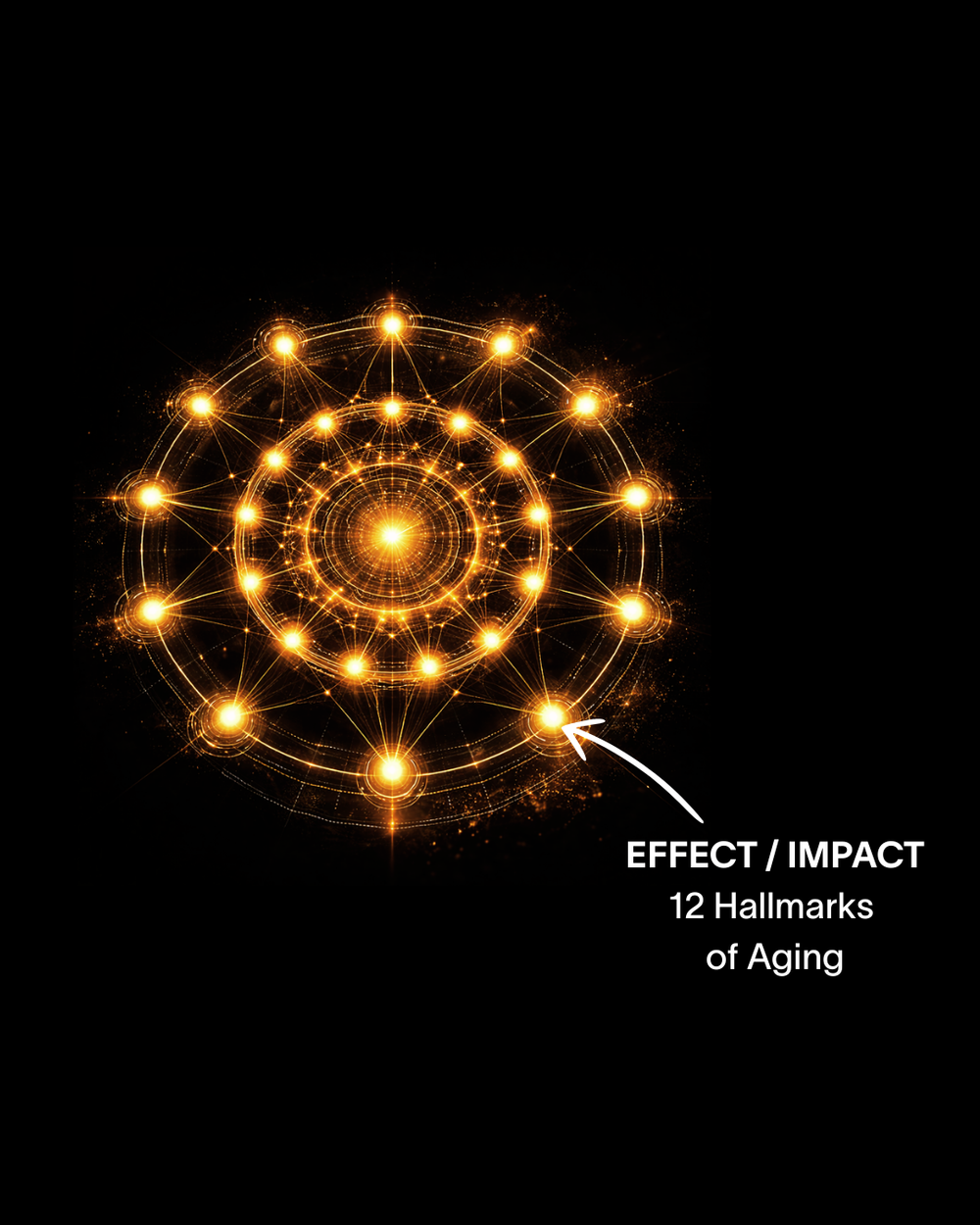
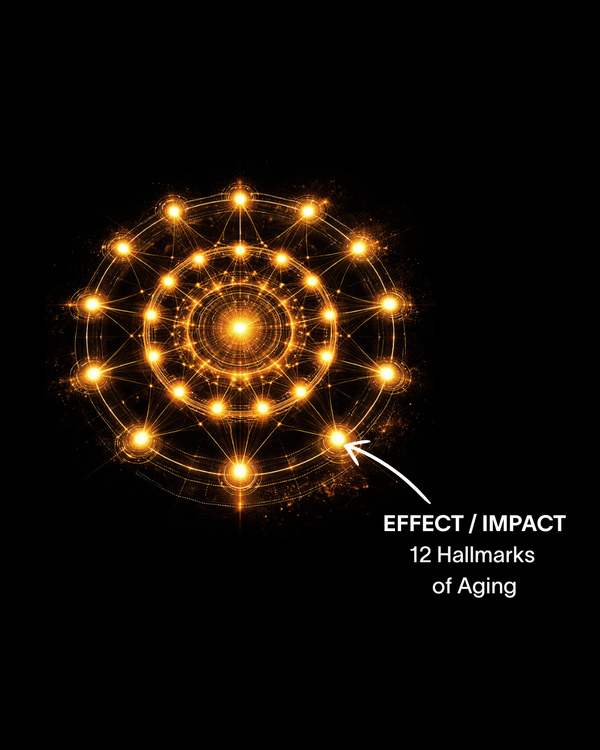
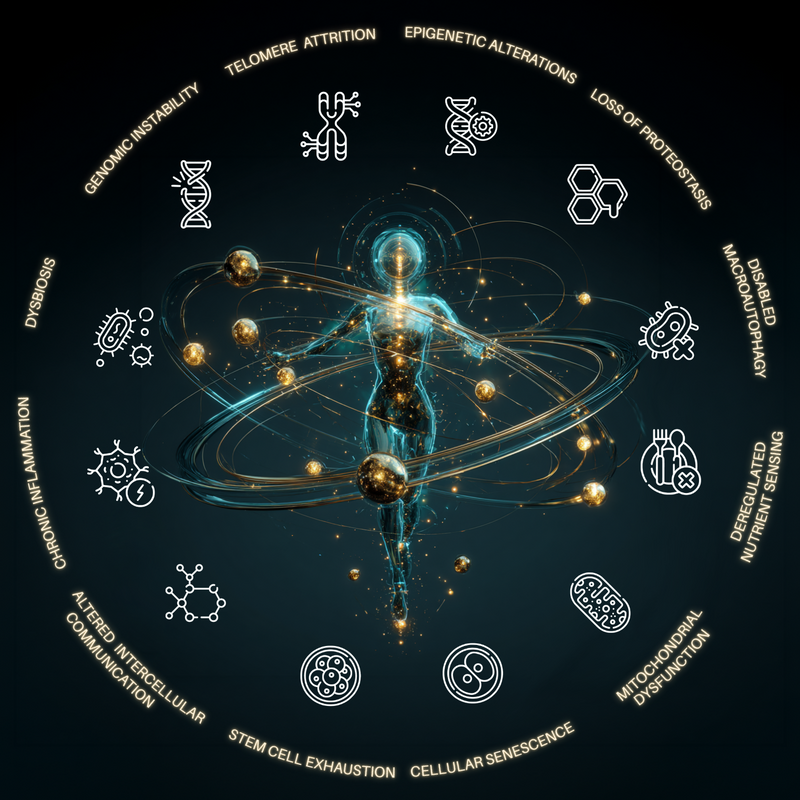
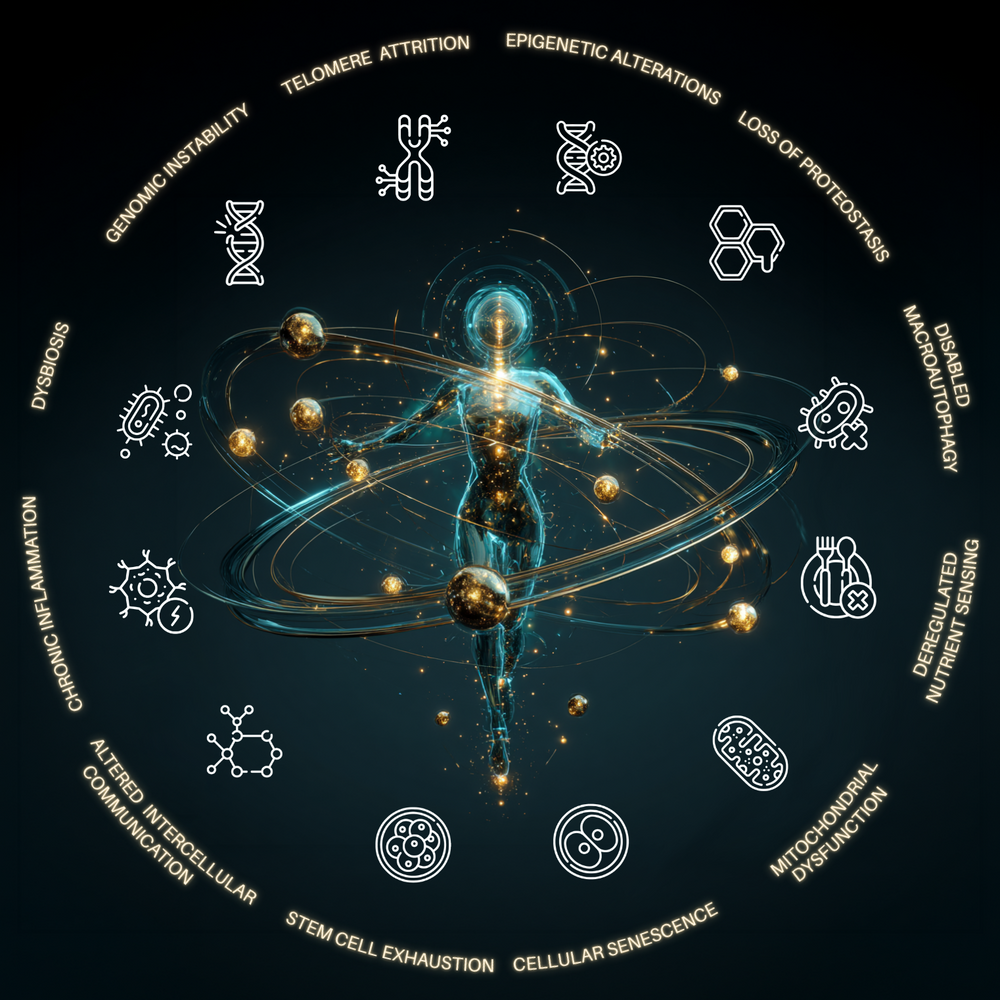
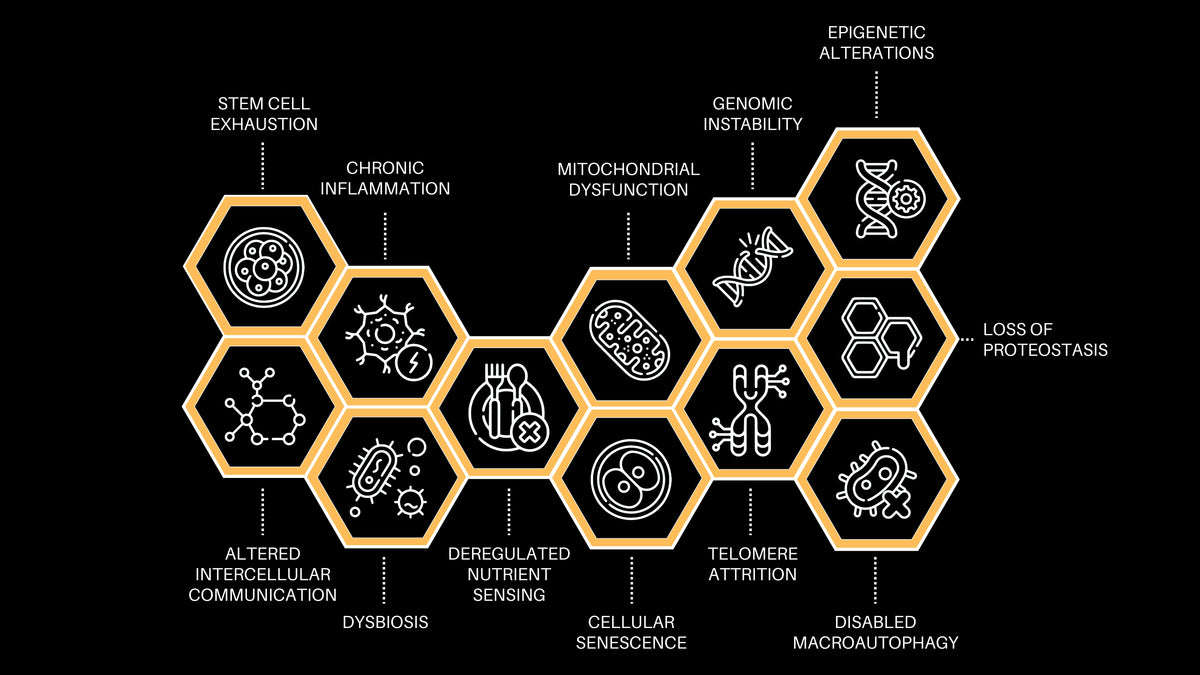
The second layer of the model is the 12 Hallmarks of Aging. The hallmarks describe the biological consequences of aging.
Upstream cellular pathways drive these changes. The hallmarks allow us to measure the downstream effects.
Our approach focuses on influencing the pathways so their impact on the hallmarks improves.

Hallmarks of Aging Framework
Upstream
Cellular
Damage
Downstream
System
Failure
Initiating Damage
Upstream sources of cellular damage
Amplifying Response
Beneficial at low levels, harmful when chronic
System-Level Failure
Downstream consequences of accumulated damage
Not all hallmarks play the same role in aging. Some represent upstream sources of cellular damage, while others reflect downstream consequences that emerge over time.
Our optimization model accounts for this structure. By focusing on upstream biological drivers, interventions can influence multiple aging processes at once.
The diagram illustrates how the 12 hallmarks interact across this upstream-to-downstream architecture.
Deep Dive
Explore Each Hallmark
Select any hallmark below to learn what it is and why it matters
Genomic Instability
DNA Damage
DNA Wear and Tear
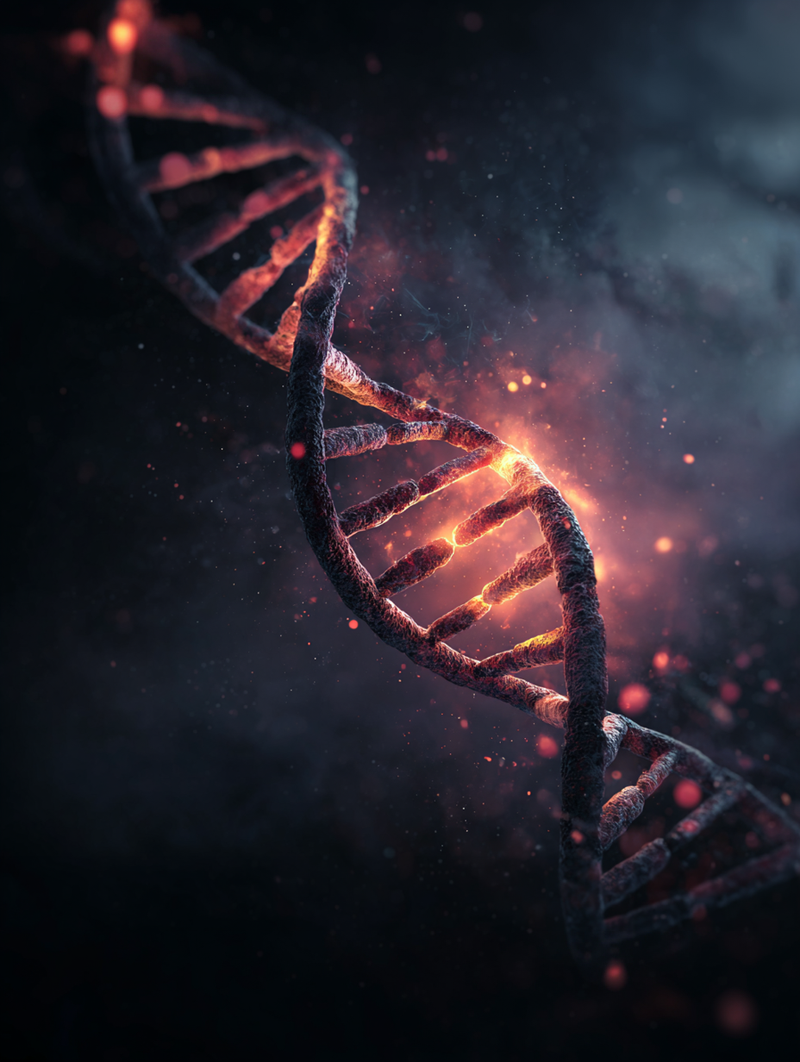
Ever wonder why our bodies age? One major reason is genomic instability. Our DNA is like the instruction manual for our cells, and over time it collects errors. Think of it like an IKEA manual full of mistakes and missing steps, the final product won't come together the way it should.
What it Means
DNA is constantly under stress from UV rays, pollution, and even normal cell processes. Over time this leads to mutations, broken strands, and faulty repairs that accumulate inside cells.
Why it Matters
- Mutations: Changes in the DNA code that disrupt normal cell activity
- Broken strands: DNA that snaps or frays under stress
- Faulty repairs: The body fixes damage but introduces errors. These errors build up and cause cells to malfunction, which accelerates aging and age-related decline
Epigenetic Alterations
Gene Switch Malfunction
The Broken Light Switch
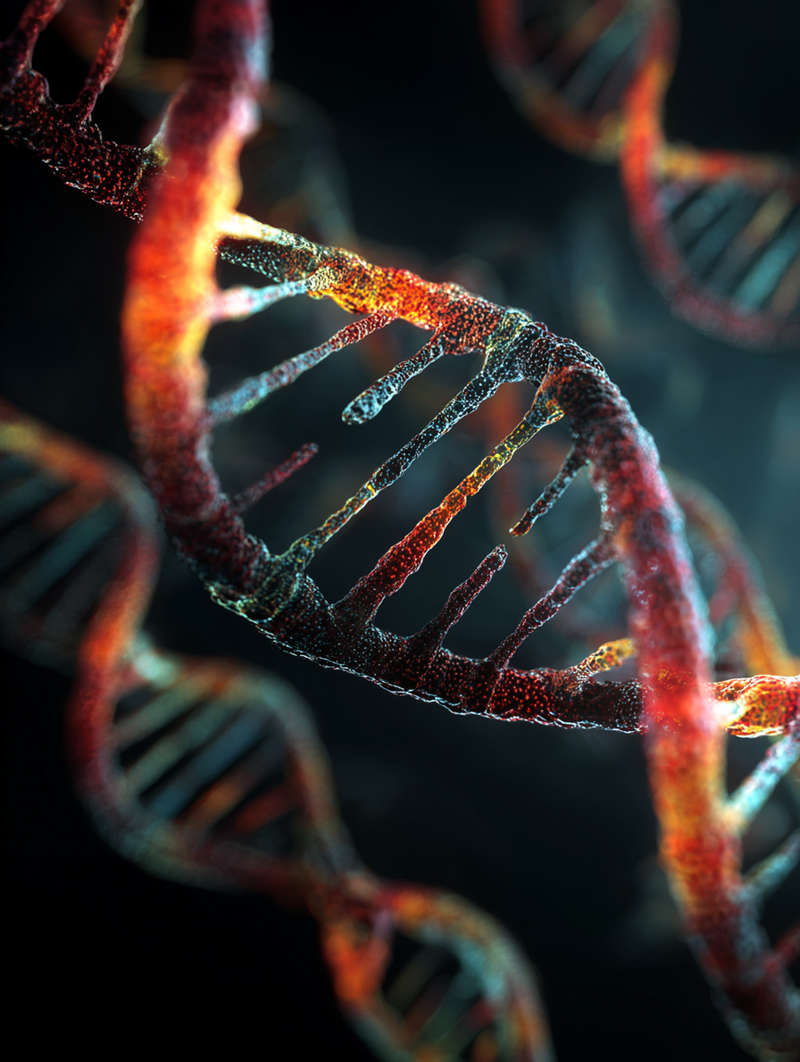
Your genes are like thousands of light switches that tell your body when to turn certain functions on or off. With age, these switches get faulty, some stay on when they should be off, and others fail to turn on at all.
What it Means
Epigenetic changes don't alter your genes themselves, but they change how your genes are read. Over time, this misregulation leads to cells acting older and less efficient.
Why it Matters
- Important repair genes can get silenced
- Harmful pathways can become overactive
- Leads to faster aging and age-related decline
Telomere Attrition
Chromosome End Damage
The Fraying Shoelace
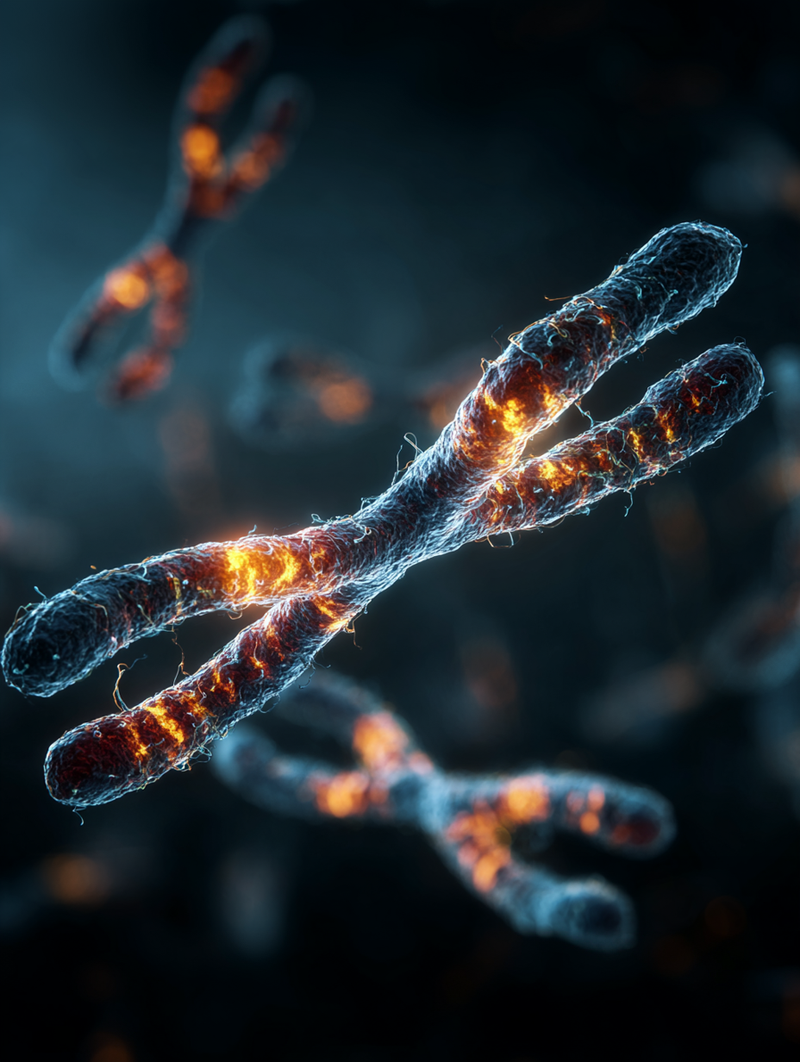
Telomeres are like the plastic tips at the ends of shoelaces, protecting your DNA from unraveling. Each time a cell divides, telomeres get shorter. Eventually, the tips wear down so much that the shoelace, or in this case, the DNA, starts to fall apart.
What it Means
Telomeres shorten naturally as part of aging, but stress, poor lifestyle, and inflammation speed this process up. Once they're too short, the cell can no longer divide and becomes inactive.
Why it Matters
- Cells with critically short telomeres stop renewing
- Linked to weaker immunity and slower tissue repair
- Considered one of the most reliable markers of biological aging
Disabled Macroautophagy
Recycling System Breakdown
The City Without Trash Collection
Autophagy is the body's recycling program: cells break down and reuse old parts to stay efficient. With age, this system slows, like a city where garbage trucks stop coming. Waste piles up, and everything runs worse.
What it Means
Autophagy helps clear out defective proteins and organelles. When this process falters, damaged components accumulate, weakening cells.
Why it Matters
- Clogged cells can't recycle or repair properly
- Energy production suffers
- Accelerates aging across multiple organs

Loss of Proteostasis
Protein Buildup
Clogged Cell Machinery
Proteins are like tiny machines that keep your cells running smoothly. But with age, damaged or misshaped proteins pile up. It's like having a factory floor full of broken machines that no one hauls away; eventually, the whole factory slows down.
What it Means
Normally, the body clears out misfolded proteins. But with aging, that system weakens, and proteins begin clumping together, especially in the brain and muscles.
Why it Matters
- Protein clumps block normal cell function
- A key factor in age-related cognitive and neurological decline
- Accelerates decline in tissue strength and resilience

Deregulated Nutrient Sensing
Metabolic Miscommunication
The Broken Thermostat
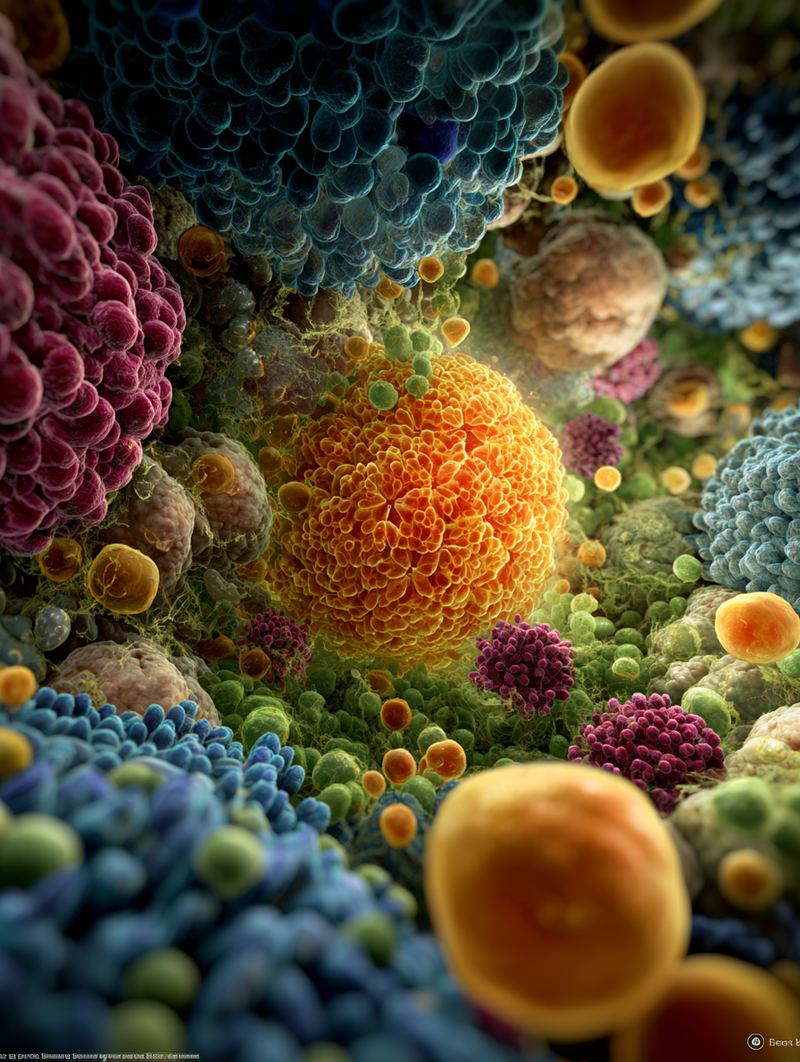
Nutrient-sensing pathways are like a thermostat for energy, deciding when to grow, conserve, or repair. With age, the thermostat malfunctions, and cells misread the body's nutrient signals.
What it Means
Over time, nutrient-sensing pathways like insulin and mTOR get out of sync, leading to miscommunication about how the body should use energy.
Why it Matters
- Affects healthy weight and metabolic balance
- Over-activates growth pathways that speed aging
- Reduces energy efficiency across the body
Mitochondrial Dysfunction
Powerhouse Decline
The Fading Batteries
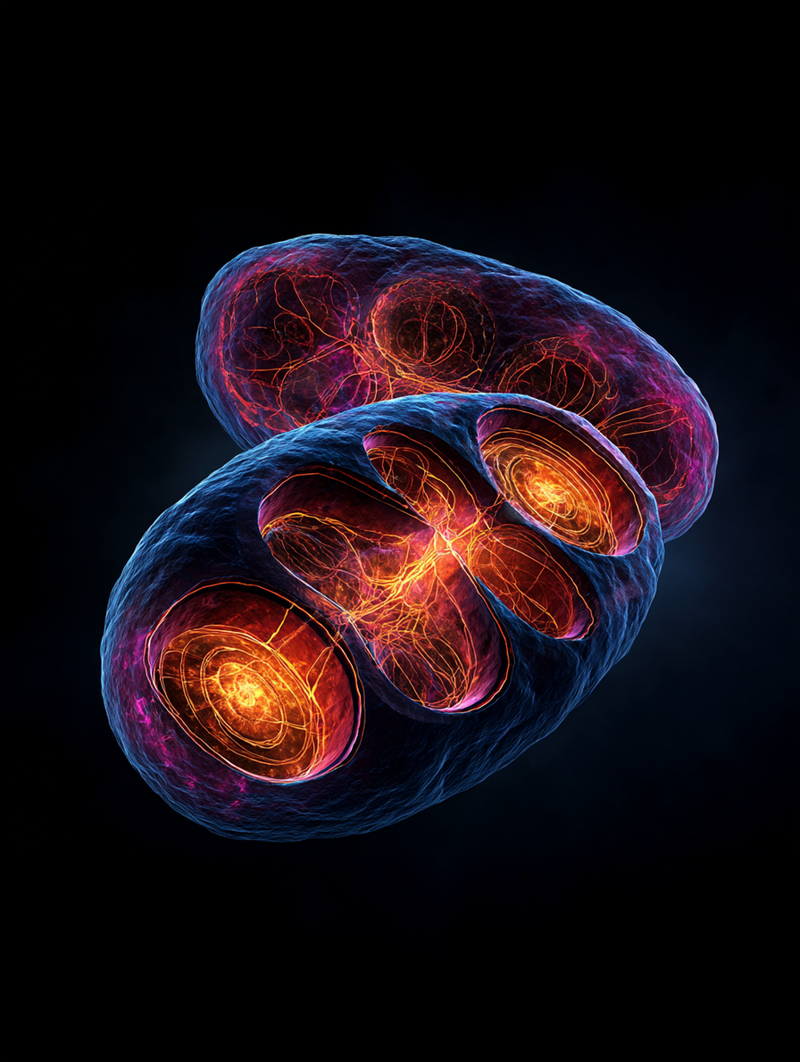
Mitochondria are your cell's batteries, powering movement, thinking, and repair. With age, they start producing less energy and more harmful byproducts, like a battery that leaks acid instead of holding a charge.
What it Means
As mitochondria break down, cells struggle to power their basic functions. The damage also spreads oxidative stress throughout the body.
Why it Matters
- Causes fatigue and slower recovery
- Weakens brain, muscle, and heart performance
- Fuels other hallmarks like inflammation and cell death

Cellular Senescence
Zombie Cells
The Bad Neighbors
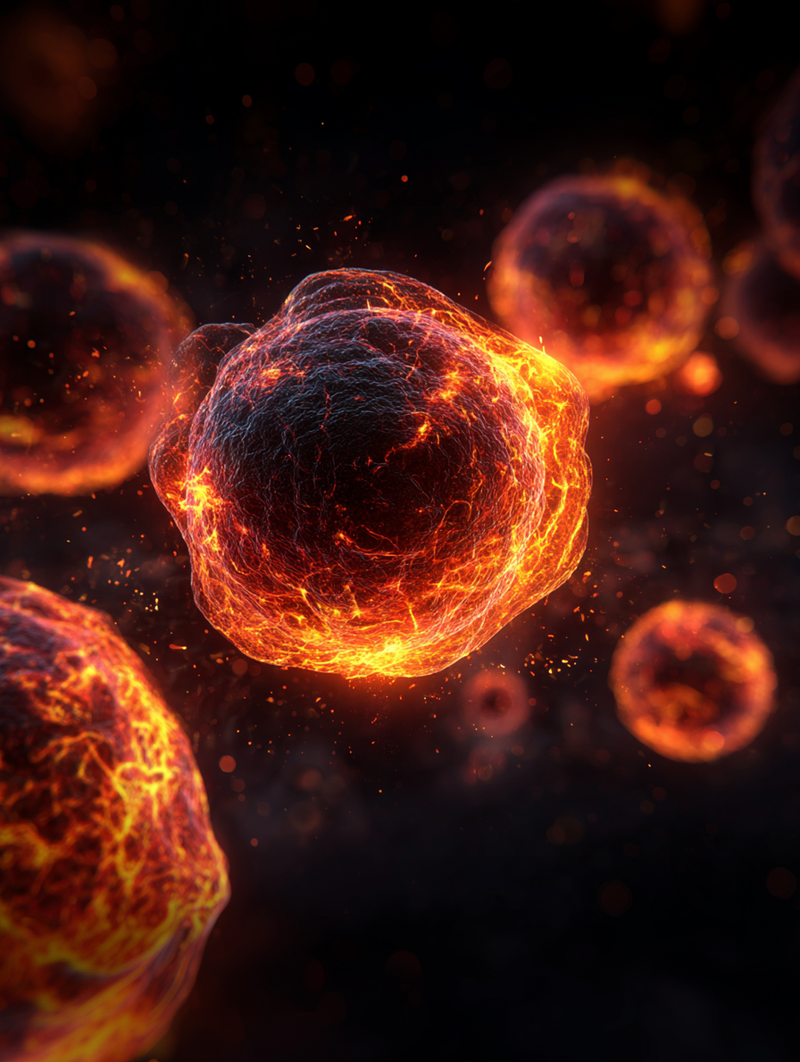
Sometimes cells stop dividing but refuse to die. Instead, they hang around like bad neighbors, blasting toxic signals that damage the whole block.
What it Means
These zombie cells release harmful molecules called SASPs, which spread inflammation and disrupt healthy tissue.
Why it Matters
- Build up more and more with age
- Linked to joint, cardiovascular, and skin decline with age
- Block tissue repair and accelerate decline
Stem Cell Exhaustion
Repair System Failure
The Retired Workforce
Stem cells are the body's repair crew, always ready to replace damaged cells. But with age, this workforce shrinks and becomes less capable, leaving tissues with no one to fix the damage.
What it Means
Stem cells lose energy and numbers over time, reducing their ability to regenerate skin, muscles, blood, and other tissues.
Why it Matters
- Healing slows after injury
- Muscles, skin, and immune defenses weaken
- A major driver of frailty and age-related decline
Altered Intercellular Communication
Mixed Signals System
Static on the Line
Cells need clear communication to stay in sync, like radios on the same frequency. With age, the signals get scrambled, creating static that confuses cells and organs.
What it Means
Aging cells release distorted signals that spread stress and inflammation throughout the body.
Why it Matters
- Weakens the immune system
- Fuels chronic inflammation
- Disrupts balance between tissues and organs

Chronic Inflammation
Inflammaging
The Smoldering Fire
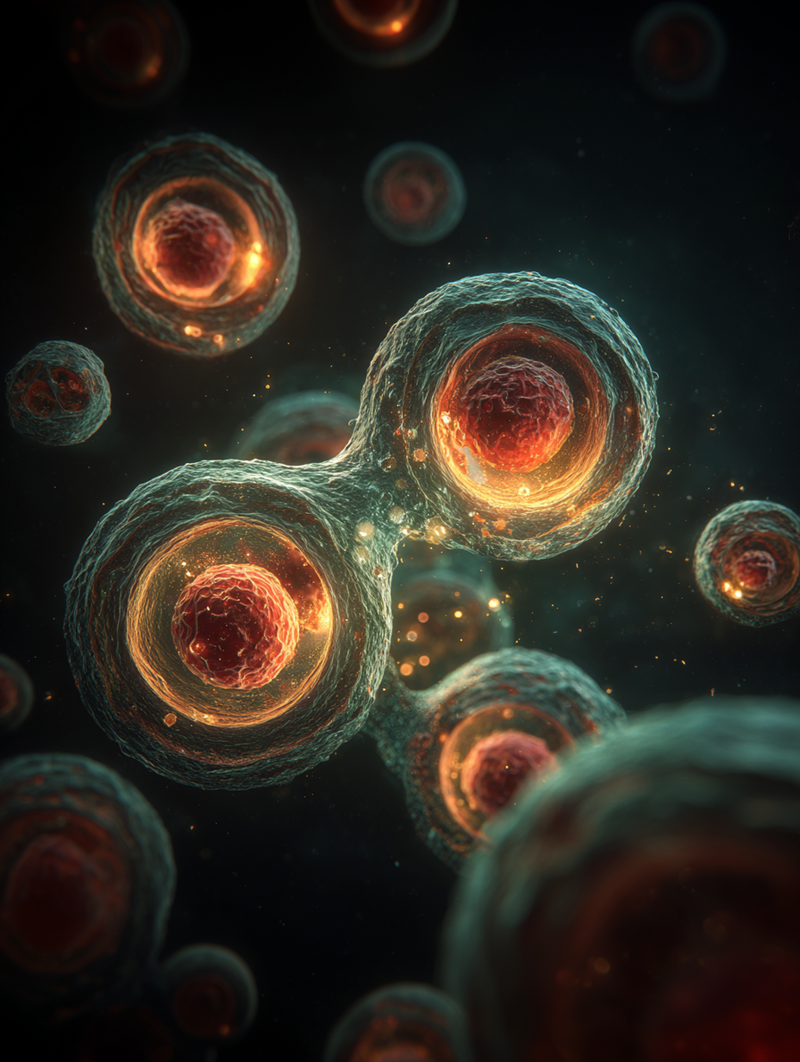
Inflammation is good in short bursts: it heals cuts and fights infections. But with age, the body often slips into a constant low-grade inflammation, like a fire that never burns out.
What it Means
This inflammaging damages tissues slowly and silently, affecting the entire body.
Why it Matters
- Fuels cardiovascular, metabolic, and cognitive decline
- Weakens healthy tissue over time
- Makes other hallmarks of aging worse
Dysbiosis
Gut Microbiome Imbalance
The Unbalanced Ecosystem
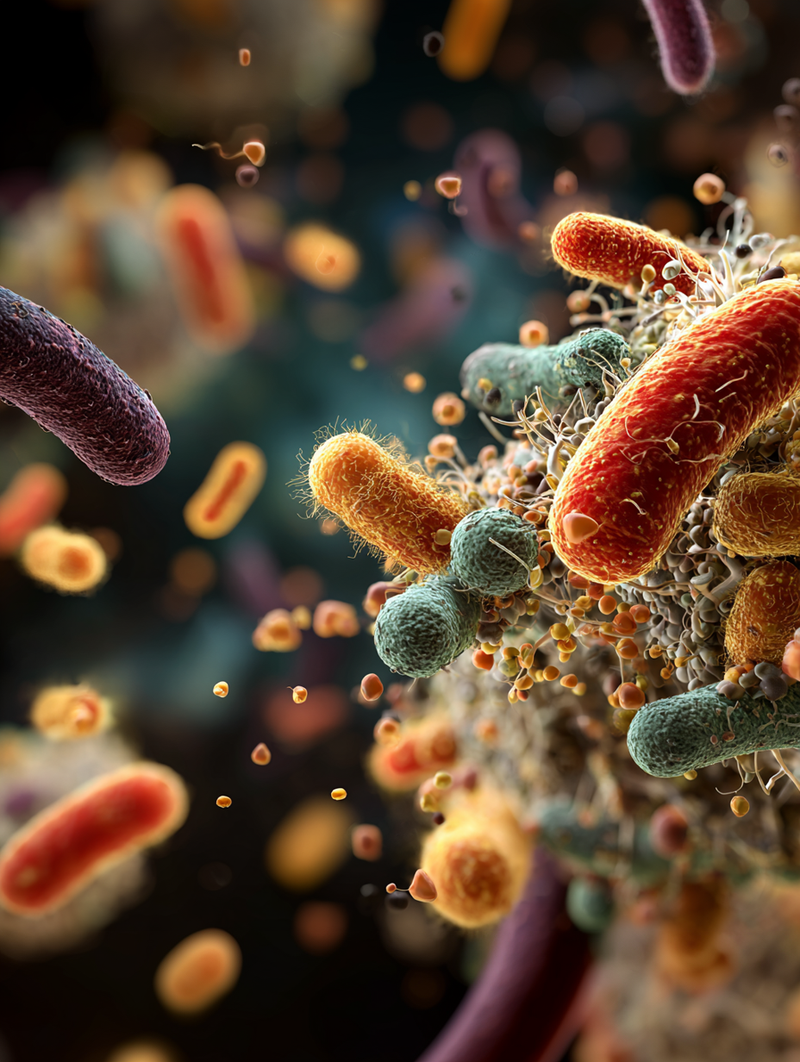
Your gut is home to trillions of bacteria that act like a rainforest ecosystem. With age, harmful species overgrow while helpful ones decline, throwing the system off balance.
What it Means
This imbalance, called dysbiosis, weakens the gut's ability to support digestion, immunity, and whole-body health.
Why it Matters
- Increases inflammation and intestinal permeability
- Disrupts metabolism and nutrient absorption
- Affects immunity, mood, and brain health
Optimization Layer 3
MechanisticSCORING
A weighted pathway-hallmark matrix evaluates mechanistic coverage to produce a structured compound score. This layer freezes the compound scoring and evaluation architecture.
The model connects upstream pathway engagement to downstream hallmark impact through a multi-layer scoring surface.
Each compound is scored based on the specific biological submodules it engages, the strength of evidence for those interactions, and how those pathways propagate through the weighted importance surface to influence measurable aging hallmarks.
The scoring architecture includes structural safeguards to prevent distortion from hub pathways, double-counting, and redundancy across compound families.

Pathway-to-Hallmark Mapping Matrix
How each aging pathway connects to the 12 hallmarks of aging
Each pathway's relationship to aging systems is graded as primary, secondary, modulator, or none. This prevents inflated credit and ensures that only mechanistically justified connections contribute to compound scores.
- Primary driver: direct mechanistic causation
- Secondary: established indirect influence
- Modulator: context-dependent or conditional effect
- No connection: relationship not supported by evidence
The pathway-to-hallmark mapping matrix (A matrix) defines the structural architecture of the scoring system.
Pathway importance, hallmark importance, and their connections are combined into a weighted importance surface.
- Pathway weights reflect upstream mechanistic breadth
- Hallmark weights reflect clinical relevance and measurability
- Connection weights capture pathway-hallmark link strength
- Weighted matrix formula: W = A x wH x wP
The resulting surface ensures compounds are scored not just on what they target, but on how important those targets are.
Compounds are evaluated by the specific submodules they engage and the strength of evidence for that engagement.
- Submodule engagement: which mechanisms does the compound activate
- Mechanistic evidence: strength of supporting research
- Pathway importance: how central is the engaged pathway
- Hallmark connection: how strongly does the pathway influence aging
Each compound receives a Compound Longevity Score reflecting its total mechanistic contribution.
Anti double-count rules, hub normalization, and redundancy controls prevent distortion.
- Hub normalization prevents highly connected pathways from inflating scores
- Anti double-count rules prevent crediting the same mechanism twice
- Redundancy consolidation identifies overlapping compounds
- Family controls group structural variants to prevent stacking bias
These safeguards ensure final rankings reflect genuine biological contribution, not scoring artifacts.
Hundreds
of mechanistic pathway interactions evaluated


We mapped the full landscape of compounds studied for their potential to influence aging biology.
This library, which we call the Compound Universe, includes natural molecules, plant compounds, and nutraceutical ingredients supported by mechanistic research, preclinical studies, and human evidence.
Inclusion required commercial availability in the US or EU, peer-reviewed mechanistic support, safety at commonly supplemented doses, clear mappability to defined pathway submodules, and practical formulatability.
- Commercial availability in the US or EU
- Peer-reviewed mechanistic support
- Safety at commonly supplemented doses
- Clear mappability to defined pathway submodules
- Practical formulatability
Exclusions included prescription-only agents, research-only compounds, molecules without sufficient mechanistic resolution, and compounds with regulatory or safety constraints.
The final universe included 240 non-prescription compounds across 28 pharmacological classes. Grouped by pharmacology, not pathway relevance, to avoid structural bias.
- Delivery-form variants share mechanistic records
- Distinct relatives are scored independently
- Structural clustering is flagged in rankings
- Select prescription agents retained only as mechanistic benchmarks
Every compound was evaluated before any formulation decision was made.

Evaluation Framework
We evaluated each compound using a structured evidence framework that connects mechanisms, pathways, and aging outcomes. Each candidate is evaluated for:
Pathway Influence
Which upstream aging pathways does the compound engage
Hallmark-Level Impact
How does pathway engagement translate to hallmark coverage
Human Clinical Evidence
Quality and depth of human research supporting the compound
Compatibility
Interaction profile with other interventions in the stack
240 longevity molecules evaluated
~40K molecular interactions analyzed

We evaluated each compound using a structured evidence framework that connects mechanisms, pathways, and aging outcomes.
Rather than relying on individual studies, we assess how compounds influence aging biology as a system.
Each candidate is evaluated for:
- Pathway influence
- Hallmark-level impact
- Human clinical evidence
- Compatibility with other interventions


The result is a ranked shortlist of longevity interventions with the strongest mechanistic influence on the drivers of aging.


Filtering, Ranking and Scoring example for illustrative purposes only
1,000+ peer-reviewed studies analyzed
the evidence base behind every ranked compound
Optimization Layer 6
CompoundINTERACTIONS
High-ranking compounds were then evaluated as a system, accounting for synergy, redundancy, and safety interactions.
A compound's individual score tells you what it does alone. But longevity protocols don't use compounds alone. The interaction layer evaluates how compounds behave together.
Some pairings amplify each other's effects through complementary mechanisms. Others are redundant, covering the same pathways without added benefit. And some introduce safety concerns when combined or conflict with common medications.

Synergistic Amplification
The model identifies compound pairings where complementary mechanisms produce stronger combined effects than either compound alone.
Example interaction
NAD+ Precursor + CD38 Inhibitor
One compound supplies NAD+ precursor material. The other blocks the enzyme that degrades NAD+. Together they boost NAD+ levels from both supply and demand sides.
Redundancy & Overlap
When two compounds score well but act through nearly identical mechanisms, the model favors the one with stronger evidence or better bioavailability.
Example interaction
Thymoquinone (black seed)
Scores well for anti-inflammatory NF-kB suppression. But this pathway is already covered more potently by curcumin, EGCG, and dihydroberberine. Diminishing returns.
Safety Interaction Screening
Compounds are screened for interactions with each other, common medications, and cumulative side effect profiles when stacked.
Example interaction
Genistein + stilbene compounds
Both have estrogenic activity. Stacking phytoestrogens creates cumulative hormone-modulating load, problematic for hormone-sensitive conditions.



Compound Interaction Grid
Illustrative sample of pairwise interactions across 14 compounds from the top 50 ranked longevity compounds in the compound universe
Representative sample from the full interaction analysis. Hover cells for mechanism details.
A sampling of compound pairings identified by the model where complementary mechanisms produce amplified combined effects.
NAD+ precursor + CD38 inhibitor
One compound supplies the raw material for NAD+ biosynthesis. The other blocks CD38, the primary enzyme responsible for NAD+ degradation. Addresses NAD+ from both supply and demand sides simultaneously.
Curcuminoid + bioavailability enhancer
Curcumin has potent NF-kB pathway activity but poor absorption due to rapid glucuronidation. Piperine inhibits pathways involved in curcumin metabolism, increasing curcumin bioavailability. The enhancer scores low individually but is pulled up for amplification value.
Glucosinolate + conversion enzyme
Glucoraphanin requires enzymatic conversion to its active form (sulforaphane). Without the co-administered conversion enzyme myrosinase, bioavailability drops dramatically. The model treats these as a paired system.
Mitophagy activator + mitochondrial biogenesis driver
One compound clears damaged mitochondria (mitophagy). Another fuels the creation of new ones (biogenesis via NAD+/PGC-1a). Together they support mitochondrial quality control from both sides: clearance of damaged mitochondria and mitochondrial biogenesis.
Senolytic flavonoid + absorption enhancer
Certain flavonoids with senolytic properties have limited oral bioavailability. Proteolytic enzymes like bromelain enhance flavonoid absorption, amplifying senolytic reach during acute dosing.
SIRT1 activator + NAD+ precursor
SIRT1 activation requires NAD+ as a mandatory cofactor. Providing the activator without sufficient NAD+ limits the pathway. Pairing ensures the sirtuin pathway is fed from both sides.
Macroautophagy inducer + senolytic
Spermidine-class compounds induce autophagy to maintain healthy cells. Senolytic compounds clear cells beyond repair. Together: maintain what can be saved, remove what cannot.
NRF2 activators via different induction pathways
EGCG activates NRF2 through electrophilic signaling. Sulforaphane activates NRF2 through KEAP1 modification. Different upstream triggers produce complementary antioxidant activation.
Cofactor and methylation support
Certain B-vitamins score low on longevity pathway engagement but support methylation cycling, neurotransmitter synthesis, and mineral absorption. System-level enablers pulled into consideration.
A sampling of cases where the model identified significant mechanistic overlap between high-scoring compounds.
Thymoquinone (black seed oil)
Scores well for anti-inflammatory activity via NF-kB suppression. However, this pathway is already covered more potently by curcumin, EGCG, and dihydroberberine across multiple mechanisms. Diminishing marginal coverage.
Stilbene family: resveratrol vs pterostilbene
Both target the same pathways via identical SIRT1 activation. Pterostilbene has approximately 4x better oral bioavailability and a longer half-life due to its dimethylated structure. The model favors pterostilbene and flags resveratrol as redundant.
Quercetin family: standard vs glycoside form
Standard quercetin and its glycoside form target the same flavonol pathways. The glycoside form has superior water solubility and absorption. The standard form is excluded as redundant.
Luteolin
Broad pathway coverage across P2/P1/P8 but overlaps heavily with EGCG and curcumin. Adding luteolin after these compounds are selected provides minimal new hallmark coverage.
Ginsenosides
Broad pathway engagement but evidence base is disproportionately provisional (over 80% provisional vs evidence-backed scores). Excluded due to low confidence despite strong raw scoring.
A sampling of compound interactions flagged during safety screening, including compound-to-compound conflicts and medication interaction risks.
CYP enzyme stacking (EGCG + berberine)
Both inhibit CYP liver enzymes. Both can affect CYP-mediated metabolism, creating potential interaction concerns when combined with compounds or medications metabolized through the same pathways. Requires careful dose calibration or timing separation.
Phytoestrogen stacking (genistein + stilbenes)
Genistein has significant estrogenic activity. Resveratrol and pterostilbene have mild estrogenic properties. Stacking creates cumulative hormone-modulating load, problematic for hormone-sensitive conditions.
Cumulative sedation (melatonin + luteolin)
Both have sedative properties. Luteolin acts as a GABAa receptor modulator. Melatonin promotes sleep onset. Combined use creates cumulative CNS depression risk.
Cumulative hypotension (melatonin + berberine)
Both compounds independently lower blood pressure. Stacking multiple hypotensive agents creates significant cardiovascular risk, especially for users on blood pressure medications.
Standard berberine HCl vs dihydroberberine
Standard berberine causes significant GI distress and interacts with metformin (hypoglycemia risk). Dihydroberberine provides greater systemic exposure at a lower dose and may improve GI tolerability relative to standard berberine.
Olive-derived polyphenols (oleuropein, hydroxytyrosol)
Both show cardiovascular benefits in isolation but carry interaction risks with blood pressure medications, statins, and anticoagulants. Their blood-pressure and antiplatelet effects create potential medication-interaction considerations, particularly with antihypertensive or anticoagulant therapies. Excluded to maintain broad compatibility with commonly prescribed medications.
240 compounds
screened for pairwise synergy, redundancy, and safety interactions
Optimization Layer 7
Formulation &DELIVERY
After compound selection and interaction screening, the optimized stack must be translated into a physical product that can actually be manufactured, dosed, and delivered.
This layer applies a new set of constraints: capsule capacity, ingredient stability, bioavailability limitations, and real-world dosing feasibility. Compounds that survive the biological optimization must now survive the engineering optimization.
The goal is to maximize biological impact within the physical limits of a daily protocol format, while selectively upgrading only the compounds that need enhanced delivery to be effective.

Delivery Format Comparison
Evaluating delivery systems against longevity protocol requirements
Capsules selected as optimal delivery format
Capsules allow precise dosing of bioactive compounds at research-level concentrations while maintaining formulation stability, avoiding taste masking challenges, and supporting practical daily compliance.
Delivery Architecture
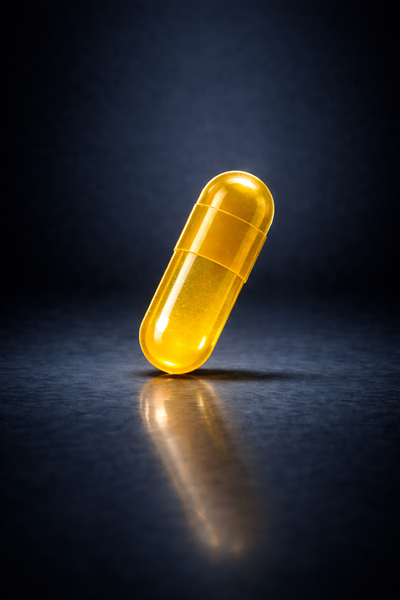
The daily protocol was designed around six size-00 capsules per day. Size-00 is widely used in advanced nutraceutical formulations because it balances ingredient capacity (~750mg per capsule), swallowability, and daily adherence.
With six capsules, the total delivery budget is approximately 4,500mg of active material plus excipients. Every milligram is allocated against the compound scoring and interaction analysis from earlier layers.
Some compounds earn large allocations because their evidence base demands it. Calcium alpha-ketoglutarate, for example, requires 1,000mg to reach its clinically studied dose, consuming over 20% of the total capsule budget.
This is a real constraint optimization: maximizing biological impact per milligram of available capsule space.
Each size-00 capsule has approximately 750mg of total capacity. With six capsules per day, the daily protocol operates within a ~4,500mg delivery budget. Every milligram is allocated against the compound scoring from earlier optimization layers.
- Each capsule was engineered in collaboration with the manufacturer to maximize fill volume, pushing the physical limits of what fits within a size-00 format
- Higher-scoring compounds receive priority allocation when capsule space is constrained
- Ingredient density, flow properties, and excipient requirements affect how much active material fits per capsule
- Ca-AKG alone requires 1,000mg (22% of total budget) based on clinical dosing evidence
- Standard-form CoQ10 was evaluated but excluded partly because its effective dose consumed too much capsule space relative to its interaction-adjusted score
- The optimization balances maximum biological impact against the hard physical limit of capsule volume
Compounds that cannot be delivered within the defined daily protocol architecture are removed or replaced with more practical alternatives.
- Compounds requiring doses above what capsule delivery can accommodate are evaluated for concentrated or enhanced forms
- Ingredients with stability issues in capsule format require specialized handling or exclusion
- Some compounds are replaced with more bioavailable derivatives that achieve equivalent or superior effect at lower doses, freeing capsule space
- This ensures every compound in the final formulation can be delivered at a meaningful biological level
Each remaining compound is evaluated against evidence-based dosing ranges to ensure the daily protocol reflects meaningful biological exposure. The goal is to deliver research-level dosing, not token amounts.
- Dosing targets are derived from human clinical studies where available
- Where human data is limited, doses are extrapolated from preclinical models adjusted for bioavailability
- The model avoids both under-dosing (biologically ineffective) and over-dosing (diminishing returns, wasted capsule space)
- Each compound dose is validated against the remaining capsule capacity budget
- Some compounds appear conservatively dosed but are optimized through enhanced delivery: liposomal EGCG at 80mg delivers effectively what would require significantly higher standard dosing
Not every compound needs an engineering upgrade. Many high-scoring compounds are already well-absorbed in their standard forms. The formulation takes a selective, strategic approach: upgrading only the compounds where standard delivery would significantly limit biological effectiveness.
- Curcumin: liposomal form paired with piperine for dramatically improved absorption vs standard extract
- Glucoraphanin + myrosinase: delayed-release capsule protects the enzyme through stomach acid for intestinal conversion to sulforaphane. Direct sulforaphane is highly unstable and degrades rapidly, making the precursor + enzyme approach significantly more reliable
- EGCG: liposomal delivery for enhanced cellular uptake, allowing effective dosing at 80mg
- Berberine: dihydroberberine derivative with ~5x better absorption at lower dose and reduced GI distress
- Fisetin: liposomal form paired with bromelain for improved flavonoid bioavailability during the monthly senolytic pulse
- Urolithin A: standardized pure form that bypasses the gut microbiome conversion step. Only ~40% of people produce urolithin A naturally from food sources
Each upgrade addresses a specific delivery limitation. Compounds that are already well-absorbed in their standard forms (pterostilbene, NMN, spermidine, Ca-AKG, apigenin, rhodiola) are used as-is to avoid unnecessary cost and complexity.
Monthly protocol
Senolytic Pulse Architecture
Senolytic compounds work fundamentally differently from the daily protocol. Rather than continuous supplementation, the research supports a hit and run dosing strategy: a high acute dose followed by a clearance period.
This reflects the biology. Senescent cells need time to clear after being targeted, and the immune system needs to process cellular debris. Continuous low-dose senolytic exposure could actually be counterproductive.
The monthly senolytic pulse is delivered across two sachets taken on two consecutive days, with each sachet providing liposomal fisetin, isoquercetin, bromelain, fenugreek galactomannan, and piperine.
Continuous daily dosing
Low sustained senolytic exposure. Does not match research protocols. May cause incomplete clearance cycles and chronic inflammation from unresolved cellular debris.
Intermittent pulse dosing
High acute dose followed by a recovery period. Mirrors the intermittent dosing schedules used in senolytic research.

The result is a formulation architecture that preserves the scientific integrity of the optimization model while translating it into a practical longevity protocol.
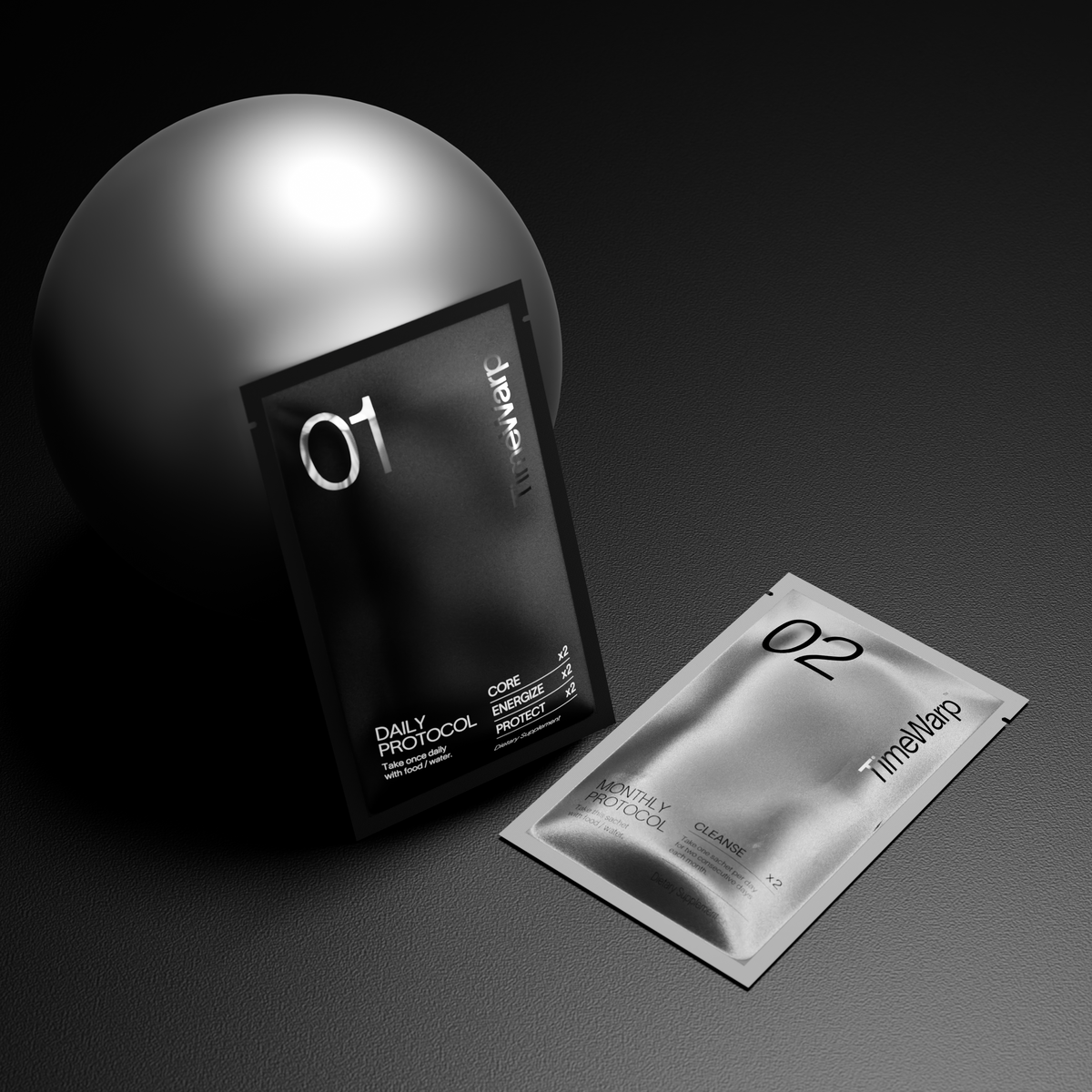
6 daily capsules
delivering research-level dosing across 12 hallmarks of aging
2 sachets · 2 consecutive days · once monthly
intermittent senolytic pulse targeting senescent cell clearance
Optimization Layer 8
Protocol USABILITY
The #1 failure mode in longevity supplementation is non-compliance. People stop because it's too complex or too inconvenient.
The best protocol is the one you actually take every day.

Functional Grouping
Compounds organized by biological role. Compliance architecture, not marketing.
Core
Cellular energy, DNA integrity, metabolic regulation.
- Ca-AKG 1,000mg · metabolic substrate
- Pterostilbene 50mg · sirtuin activator
- Cycloastragenol 10mg · telomere support
- Mg Bisglycinate 200mg · cofactor
- Vitamin B6 10mg · methylation support

Energize
Mitochondrial renewal, NAD+ biosynthesis, methylation, adaptogenic performance.
- NMN 350mg · NAD+ precursor
- Urolithin A 500mg · mitochondrial function
- Apigenin 50mg · CD38 inhibitor
- Liposomal EGCG 80mg · NRF2 activator
- Rhodiola 200mg · adaptogen
- 5-MTHF 0.5mg · active folate
- B12 0.2mg · methylcobalamin
- Vitamin D3 50mcg · immune / bone
Protect
Inflammation, oxidative stress, metabolic and vascular defense.
- Liposomal Curcumin 150mg · NF-kB suppression
- Dihydroberberine 100mg · AMPK activator
- Glucoraphanin 70mg · NRF2 (delayed release)
- Myrosinase 50mg · conversion enzyme
- Sodium Ascorbate 65mg · myrosinase cofactor
- Spermidine 10mg · autophagy inducer
- K2 MK-7 150mcg · calcium direction
- Piperine 5mg · bioavailability enhancer

Senolytic Cleanse
Monthly senolytic pulse. High acute dose, then clearance. Intermittent pulse dosing, the cadence used in senolytic research, rather than continuous daily exposure.
- Liposomal Fisetin 300mg · senolytic flavonoid
- Isoquercetin 150mg · senolytic support
- Piperine 5mg · absorption enhancer
- Bromelain 480mg · flavonoid absorption
- Fenugreek Galactomannan 150mg · carrier matrix

Single daily dose by design
Splitting into multiple daily doses has marginal absorption benefit but significant compliance cost.
One dose with a meal. Every additional decision point is a dropout event.
Population scope
Targets fundamental mechanisms (NAD+, autophagy, senescence, inflammation) that operate consistently across biological sex.
Precision stratification is a future layer. Differentiate when data supports it, not before.
Packaging as Compliance Architecture
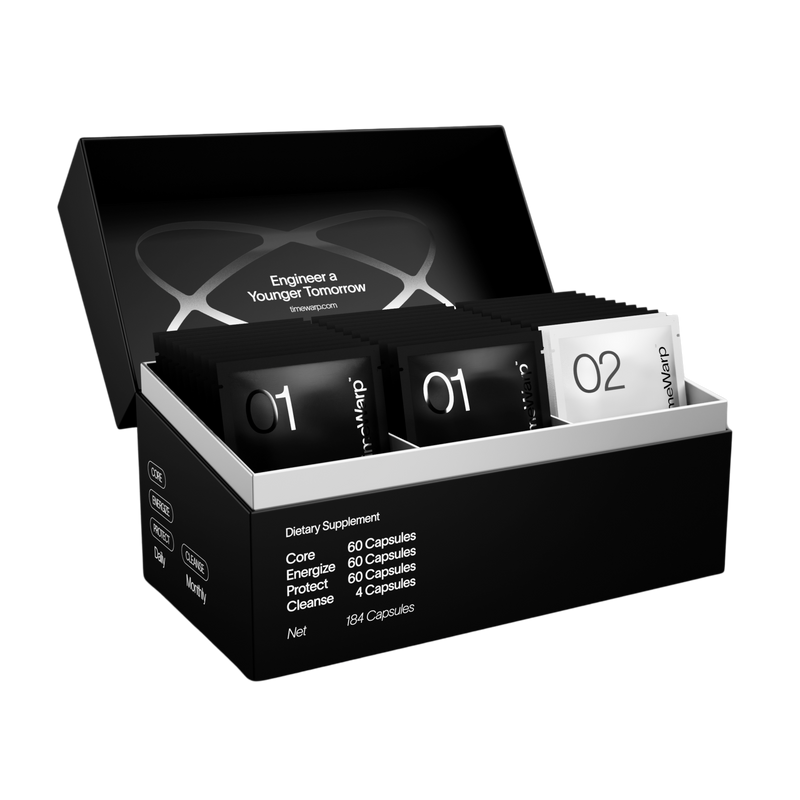
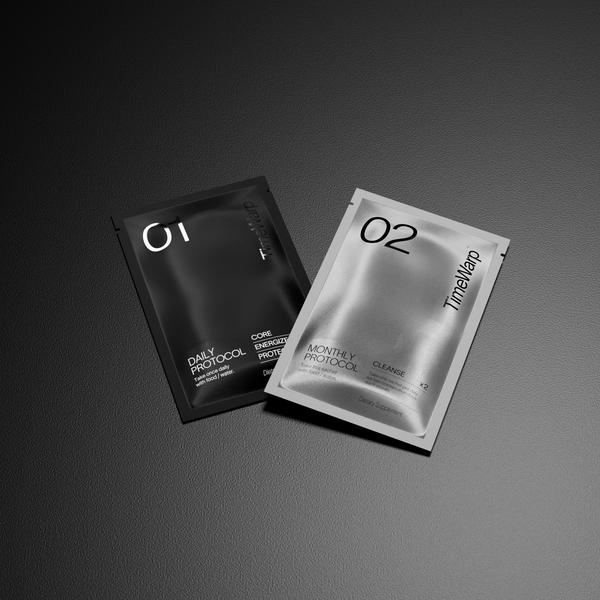
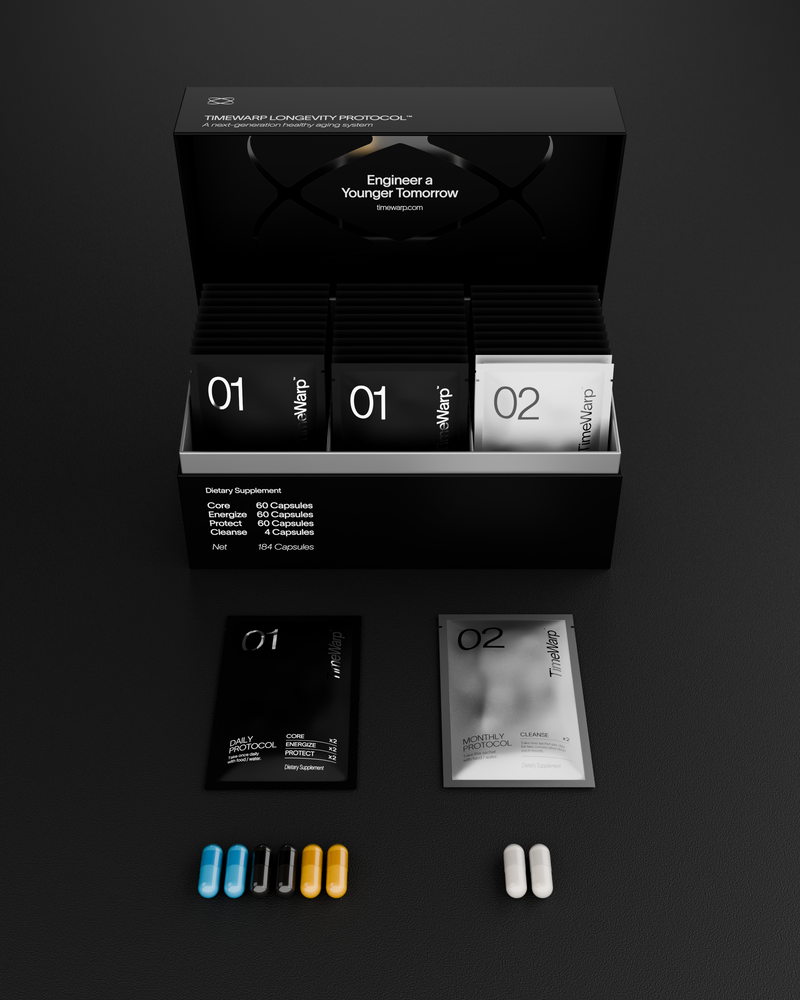
Pre-portioned daily sachets. Six capsules, ready to take. No counting, no sorting, no bottles.
One box. One month. One subscription. The entire protocol.
Pre-portioned sachets
Six capsules per day. One senolytic pulse per month. No counting, no pill organizers, no decision fatigue.
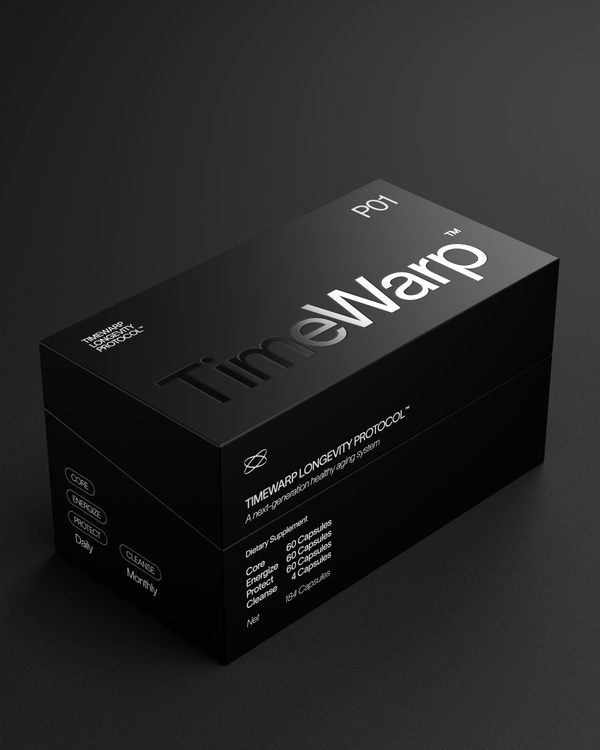
One box, one month
30 daily sachets plus the monthly senolytic pulse. No managing multiple bottles.
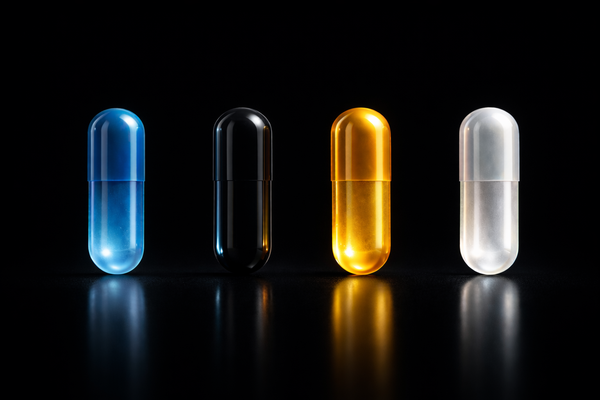
Color-coded functional groups
Core, Energize, and Protect are visually distinct. Users see what they take and understand the system.
Perceptible Benefits
Rhodiola supports focus. NMN drives energy. Magnesium supports sleep. B-vitamins support mood. Short-term reinforcement for long-term compliance.
Not the primary purpose. A deliberate design feature that drives adherence.

Some compounds are impractical at scale due to cost, supply, or manufacturing limits.
- Premium forms used where biological benefit justifies cost
- Standard forms where equally effective
- Sustainably manufactured at consistent quality
A unified system, not a supplement collection.
- All capsules manufactured and shipped as one product
- Sachet format enables consistent QC per dose
- Supports future iterations within the same framework
Complex aging research, translated into a single daily action.
1 sachet, 30 seconds, every day
the entire protocol reduced to a single daily action
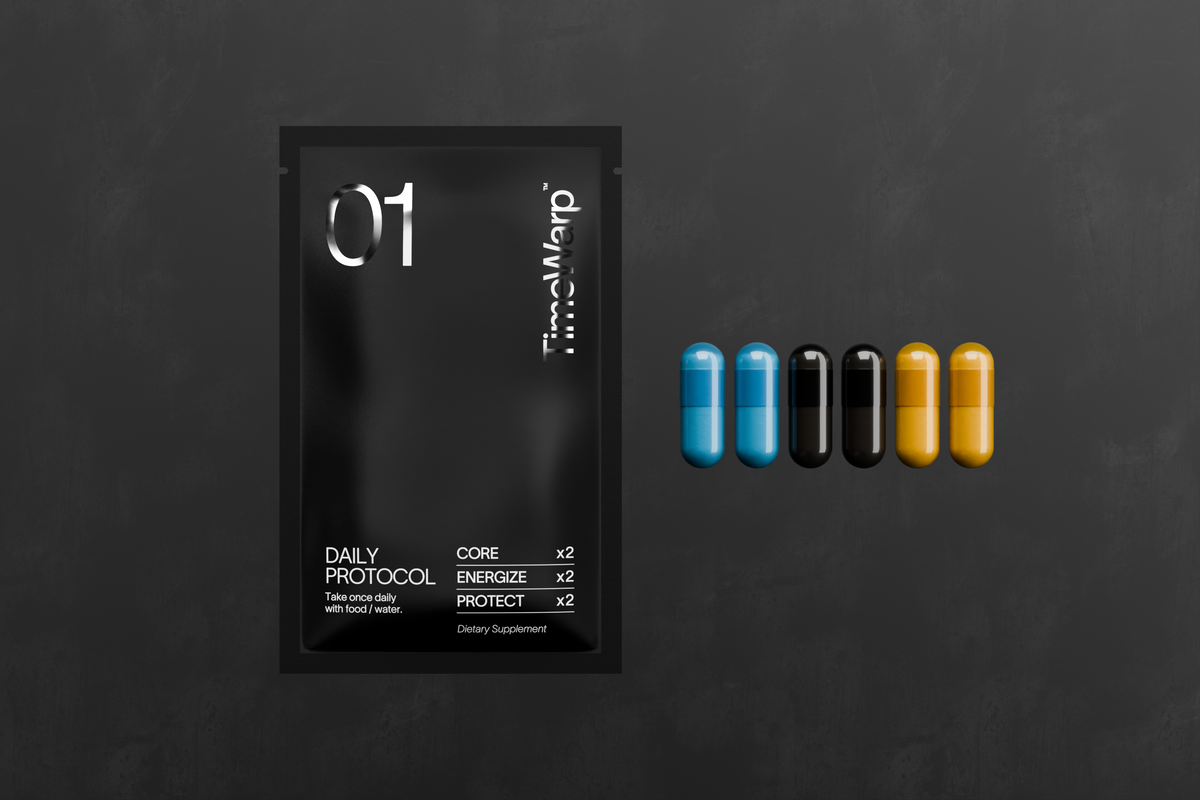
2 sachets, 2 days, once a month
the monthly senolytic pulse, a deliberate cellular reset

Optimization Layer 9
Long-TermSAFETY
The final layer of the optimization model evaluates the complete protocol for long-term safety, tolerability, and real-world compatibility.
A longevity protocol is designed for indefinite daily use. Unlike short-term supplementation, the safety bar must account for cumulative exposure over months and years.
Every compound that reaches this stage has already passed biological scoring, interaction screening, and formulation engineering. This layer asks one final question: is this safe for sustained, long-term use across a broad population?
Cumulative system load
The full compound stack is evaluated for cumulative burden on liver metabolism, kidney clearance, and other organ systems. Compounds that individually pass safety screening may create excessive load when combined. The model evaluates the protocol as a complete system, not as individual ingredients.
Medication compatibility
Protocol 01 is designed for indefinite daily use, which raises the bar on tolerability beyond single-dose safety. If you take prescription medication, review the full ingredient list with your physician before starting.
Tolerability and adherence
Compounds that cause common side effects (GI distress, headaches, sleep disruption) are replaced with better-tolerated forms where possible. Dihydroberberine was selected over standard berberine specifically for this reason. A protocol that causes discomfort will not be taken consistently.
Ingredient quality standards
Every ingredient in the protocol must meet defined standards for purity, heavy metal limits, microbial contamination, and identity verification. These standards are built into the manufacturing specifications, not treated as optional quality checks.
Ongoing monitoring framework
The safety evaluation does not end at formulation. The protocol is designed to support users in tracking relevant biomarkers over time and adjusting as new research emerges. The optimization model is a living system that incorporates updated safety data as it becomes available.
Important medical disclaimer
This product is a dietary supplement and is not intended to diagnose, treat, cure, or prevent any disease. The statements on this website have not been evaluated by the Food and Drug Administration.
Always consult with a qualified healthcare professional before starting any new supplement regimen, especially if you are pregnant, nursing, taking medication, or have a pre-existing medical condition.
Individual results may vary. The information provided here is for educational purposes and should not be considered medical advice. Do not discontinue or modify any current medication or treatment plan without consulting your physician.

Nine layers of optimization. From aging pathways to long-term safety. Every decision documented, every tradeoff evaluated, every compound earned its place.
Explore Protocol 01
Deep dive into the formula, explore the Protocol 01 design or learn more from our Scientific Advisors:
Explore the Formula
See every ingredient, dose, and the biological rationale behind each compound in Protocol 01.
View the formulaTry Protocol 01
Nine layers of optimization, six daily capsules, one monthly pulse. See pricing and start your protocol.
Shop Protocol 01
Read the Research
Explore the science behind the optimization model, individual compounds, and the biology of aging.
Visit the journal

